Slum Tourism: History, Impacts, Ethics, and the Controversies Behind Poverty Tourism
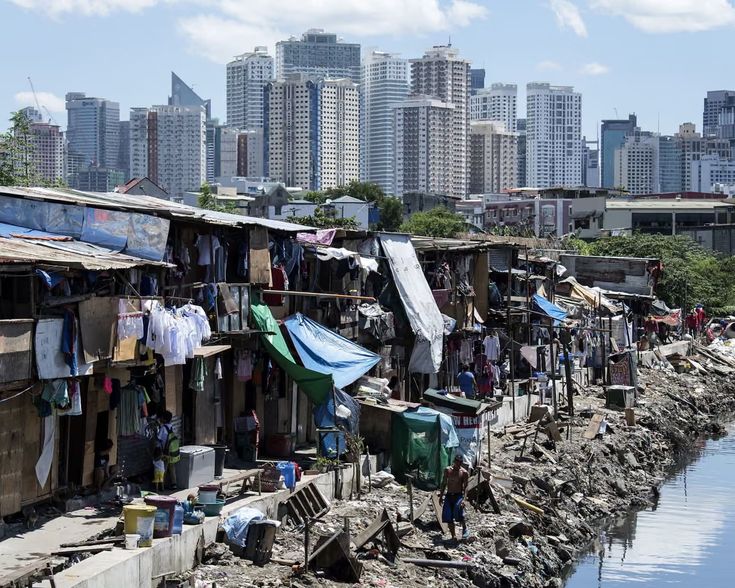
Imagine walking through narrow alleys where homes are built with corrugated iron sheets, children play on dusty ground, and the sounds of everyday life tell a story far different from the postcard images of a city. Often pitched as an “eye-opening” travel experience, slum tourism — also called poverty tourism or reality tourism — has surged in popularity across parts of the world. But what exactly is it? And why does it stir such intense debate?
In this blog, we’ll walk you through the origins of slum tourism, how it functions, the benefits and harms it creates, and the most recent controversies that have brought this form of tourism back into global conversations.
1. What Is Slum Tourism?
At its core, slum tourism is a type of travel where visitors intentionally visit impoverished urban areas — commonly called slums, favelas, townships, or informal settlements — to see how people live in conditions very different from their own.
These tours usually take place in large cities where inequality is stark. Examples include Dharavi in Mumbai (one of the largest slums in Asia), favelas in Rio de Janeiro, townships in South Africa, and informal settlements in Manila, Nairobi, and elsewhere. Tourists may walk through alleyways, meet local guides, visit community centres, or see small businesses run by residents.
Slum tourism doesn’t necessarily look the same everywhere — sometimes it’s organised by professional tour companies, sometimes by local residents, and sometimes it happens informally when curious visitors explore on their own.
2. A Surprising History
Most people think slum tourism is brand-new, but the history actually goes back over a century.
In the 19th century, wealthy visitors in London began visiting East End neighbourhoods and other areas known for poverty as a kind of spectacle — a pastime called “slumming.” This idea spread to cities such as New York, where wealthy tourists paid to see the crowded and poor areas of Bowery and Five Points.
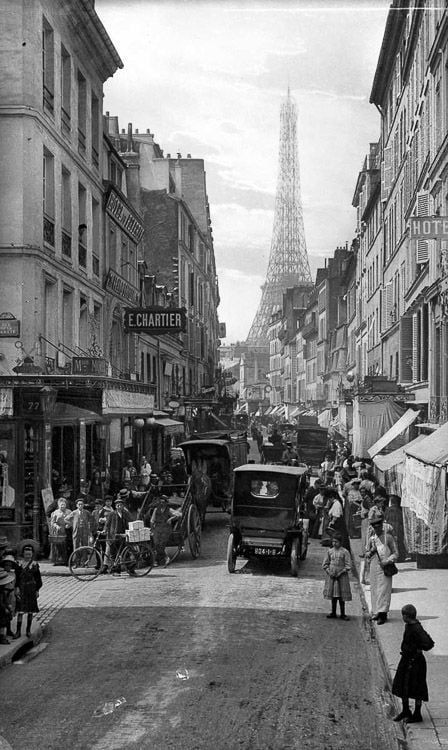
This early form of slum visiting had little to do with education or empathy — instead, it was often about curiosity and scandal. Over time, the practice declined but did not disappear. In the late 20th and early 21st century, slum tourism re-emerged with a new twist: operators began marketing it as a way to educate travellers about poverty, inequality, and human resilience.
One major turning point in modern global awareness of slum areas was the release of the film Slumdog Millionaire in 2008, which showcased India’s Dharavi slum and drew international attention to its people and conditions.
3. Why Tourists Do Slum Tourism
People choose to participate in slum tourism for a variety of reasons — some well-intentioned, others less so.
• Curiosity and Education
Many tourists say they want to learn about social inequality, understand poverty beyond headlines, and see how communities survive and thrive in difficult conditions.
• Seeking “Authentic” Experiences
Some travellers believe traditional tourist attractions give only a polished version of a city. Slum tours are seen by them as “real life” — a place where they can witness the challenges of urban poverty first-hand.
• Charity and Social Action
A few visitors take slum tours to support charity work, NGOs, or community projects. They may buy handmade crafts or donate money to local causes.
• Content Creation
In the age of social media, some people join these tours to make videos or posts that get attention online. This includes influencers documenting their stays in slum areas, sometimes in ways that spark outrage.
4. The Impact — Good and Bad
Slum tourism is complicated. It creates real impacts — some positive, some deeply troubling.
Positive Impacts
✓ Economic Opportunities
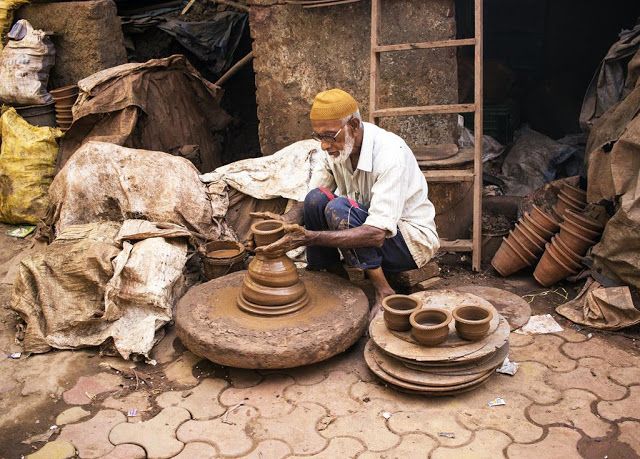
Slum tourism can create jobs and income for local residents. Residents may act as guides, sell crafts, or run small food businesses that cater to visitors. In some places, this can provide a valuable source of revenue.
✓ Raising Awareness
For some tourists, the experience can challenge stereotypes. Rather than seeing slums solely as places of misery, visitors sometimes leave with a more nuanced view of community, creativity, and resilience that exists within these environments.
✓ Potential Support for Social Causes
If done ethically, tours can partner with local NGOs or use some proceeds for community development — for example, funding education, health initiatives, or clean-up drives.
Negative Impacts
✗ Exploitation and Commodification
Critics say slum tourism often turns poverty into entertainment. Instead of addressing inequality, it turns real human struggles into a spectacle for outsider consumption — sometimes called poverty porn.
People living in slums aren’t tourist attractions. When wealthy visitors take photos of their homes or routines, it can feel demeaning and disrespectful.
✗ Privacy and Dignity Concerns
A constant stream of tourists can intrude on everyday life, invading personal spaces and reducing residents to objects of curiosity rather than human beings with rights.
✗ Uneven Economic Benefits
Even when tours bring money into the community, it’s rarely distributed equally. Often only a few individuals benefit, while the majority see little improvement in living standards.
✗ Reinforcing Stereotypes
Tourism can cement harmful stereotypes about poverty and reinforce the idea that slums are only bleak and desperate places. This can overshadow the culture, resilience, and complexity of the people who live there.
✗ Disruption and Social Tension
An influx of outsiders can disrupt community dynamics, create discomfort, and sometimes attract petty crime or safety concerns.
5. Ethical Debates and Criticism
The biggest question surrounding slum tourism is: Is it ethical?
Critics argue that slum tourism is inherently problematic because it preys on the inequality gap. Tours are often led by outside companies with little benefit for residents. Many locals feel photographed without consent or treated like exhibits rather than neighbours in a community.
Phrases like “they get photos, we lose a piece of our dignity” reflect how some people in slums view the practice.
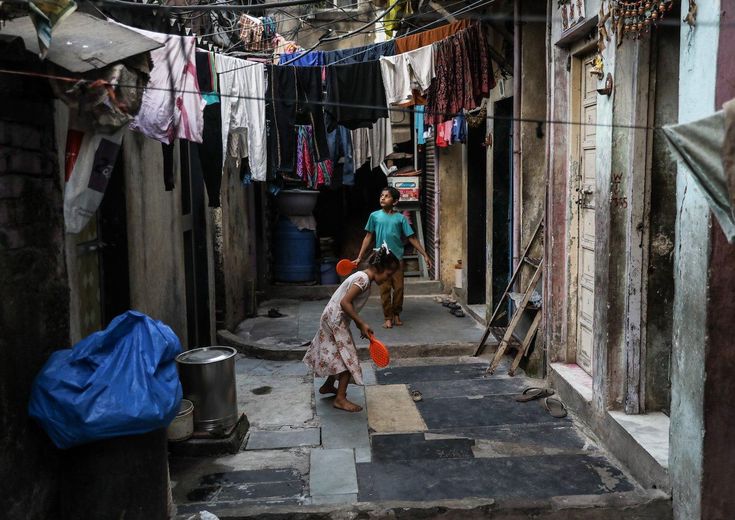
There are concerns that slum tours turn highly unequal living conditions into consumable experiences for wealthy travellers — especially when the tours are marketed primarily for entertainment or shock value.
Supporters, on the other hand, argue that when organised ethically and with community involvement, these tours can challenge prejudice, raise awareness about inequalities, and provide a platform for residents to share their stories.
Ultimately, much of the debate hinges on ethics: Who controls the narrative? Who benefits financially? Are the residents’ voices and privacy respected?
6. Recent Controversies That Brought Slum Tourism into the Spotlight
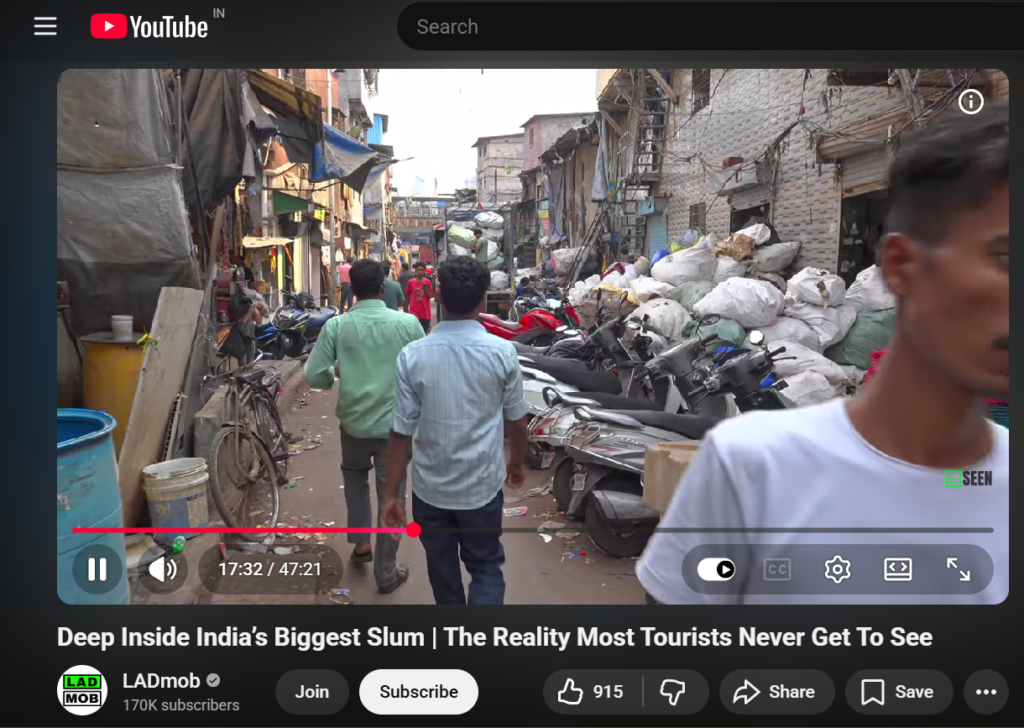
Slum tourism hasn’t just been a topic of academic debate — it has made mainstream headlines, especially in the past few years.
• Influencer Backlash
One of the most heated recent discussions on slum tourism in India focused on American travel blogger Tara Katims. When she posted a video of her Mumbai “slum tour” in Dharavi, she got a lot of negative feedback online. In the video, she referred to the experience as “eye-opening” and encouraged others to consider it, even calling it one of her favorite parts of the journey. Many viewers, however, thought her remarks were tone deaf and impolite. Critics argued that presenting a visit to Dharavi, one of Asia’s largest informal settlements, as a kind of entertainment or travel reduced the everyday lives of its residents to a spectacle and encouraged harmful “poverty tourism” narratives rather than respectful understanding.
im sorry did this woman just say that she went on a "slums tour" ????? pic.twitter.com/aYyFwUOluI
— kp (@earthlykisssed) March 16, 2024
Another international content creator, an Australian vlogger going by the name Pete Z, faced severe criticism in 2025 for posting video of himself claiming to have “survived India’s deadliest slum” in Dharavi for three days. Part of the video featured sensationalized portrayals of everyday life. Similar discussions of whether such depictions are considerate or exploitative of people’s actual living conditions were triggered by that on the internet.
• Ethical Debate on Pricing and Marketing
Tours advertised by platforms like TripAdvisor and others have reignited debates over whether it’s right to offer a priced tourism package into poor communities — especially if the revenue doesn’t go back to residents.
Some critics have argued that simply charging tourists to enter these areas while residents see little benefit is nothing more than exploiting poverty for profit.
• Local Voices and Opposition
There have also been pushbacks from within communities and activist groups. Many local leaders and organisations say that slums should be treated as living neighbourhoods, not tourist attractions — and that the focus should be on housing rights, sanitation, and access to services instead of voyeuristic experiences.
7. Can Slum Tourism Be Done Ethically?
Given all the debate, one important question remains: Is there a responsible way to do slum tourism?
Ethical experts and some tourism operators suggest a set of principles for responsible practice:
✔ Full Community Involvement
Tours should be organised with permission and participation of residents — not imposed from outside.
✔ Fair Economic Sharing
Significant portions of the revenue should go directly to local businesses, guides, and community projects.
✔ Education Over Entertainment
The purpose should be to educate visitors, not entertain them with sensationalism.
✔ Respectful Conduct
Tourists must act respectfully, avoid intrusive photography, and understand they are guests in people’s lived spaces.
When these principles are upheld, slum tourism can be more respectful, informative, and beneficial — though many argue it should still be limited and carefully evaluated.
8. Conclusion: A Double-Edged Sword
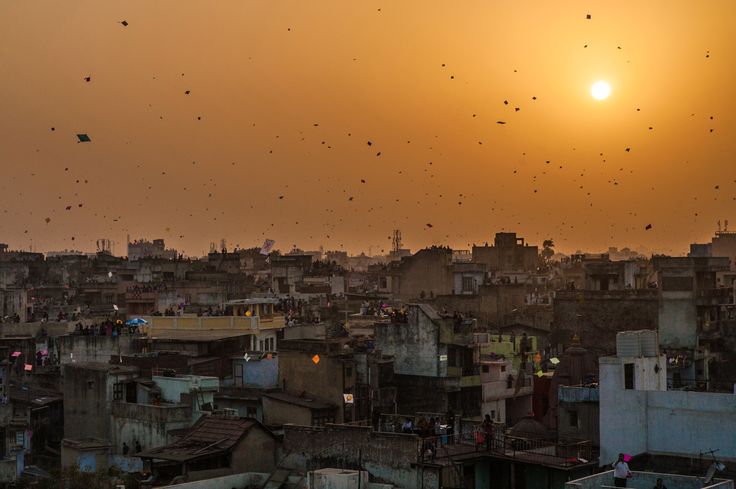
Slum tourism sits at the intersection of travel, inequality, ethics, and human dignity.
On one hand, it can create awareness, income opportunities, and a chance for cross-cultural understanding. On the other, it runs the risk of exploitation, dehumanisation, and reinforcing stereotypes.
Understanding its full impact requires listening not just to tourists or operators, but most importantly to the residents of these communities themselves — those whose homes and lives are put on display.
Only by centering their voices can we judge whether slum tourism can ever be more than just a controversial attraction — and instead become a respectful, educational, and meaningful way to bridge worlds that too often remain separate.