Tirumala Venkateswara Temple: A Blessed Pilgrimage of Faith and Spiritual Grace
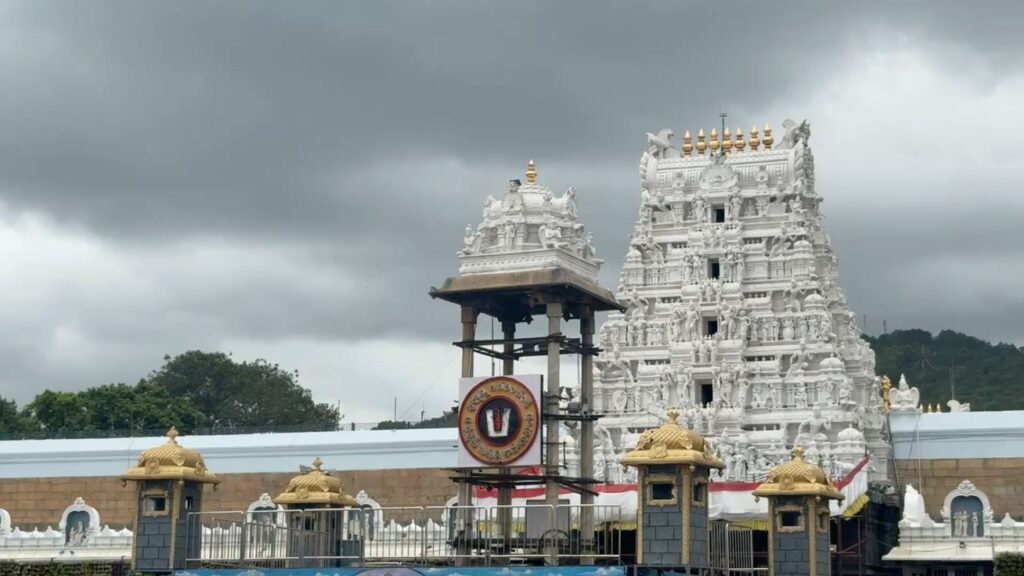
There are pilgrimages you plan, and then there are pilgrimages that feel like a calling. Tirupati Balaji belongs to the second kind. Perched on the lush Seshachalam Hills in Andhra Pradesh, the Tirumala Venkateswara Temple is not just one of the richest temples in the world—it is one of the most spiritually charged spaces in India. Millions walk its sacred steps every year, not because it is famous, but because they believe Lord Venkateswara listens.
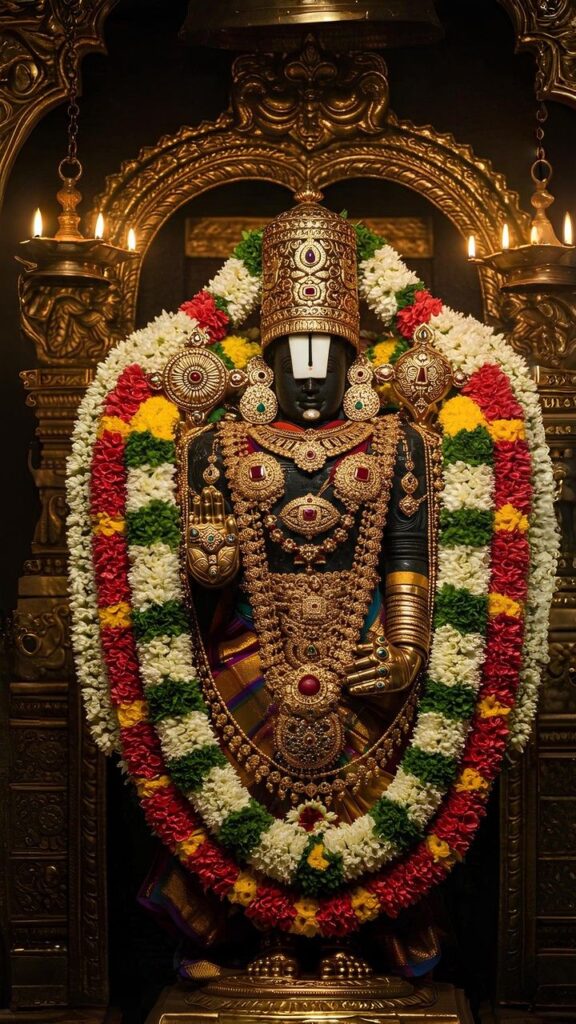
Popularly known as Tirupati Balaji, Lord Venkateswara, or simply “Govinda,” the deity here is considered a living manifestation of Lord Vishnu in Kaliyuga—the present age. Devotees believe that when everything else fails, Balaji answers.
This is not just a temple visit. It is an experience layered with mythology, architecture, ritual discipline, faith, and intense human devotion.
The Mythological Origins of Tirupati Balaji
The spiritual aura of Tirupati Balaji is deeply rooted in Hindu mythology. According to ancient legends, Lord Vishnu descended to Earth as Venkateswara to save humanity from the trials of Kaliyuga. The story goes that Goddess Lakshmi once left Vaikuntha after a disagreement, and Vishnu followed her to Earth, choosing Tirumala as his abode.
Another popular legend speaks of Lord Venkateswara taking a loan from Kubera, the god of wealth, for his marriage to Goddess Padmavati. Devotees believe that their donations to the temple help repay this divine debt—a belief that fuels the immense offerings received daily.
Whether one views these stories symbolically or literally, the faith surrounding Tirupati Balaji is unwavering. The temple represents divine patience, protection, and prosperity.
The Journey to Tirumala: A Spiritual Climb
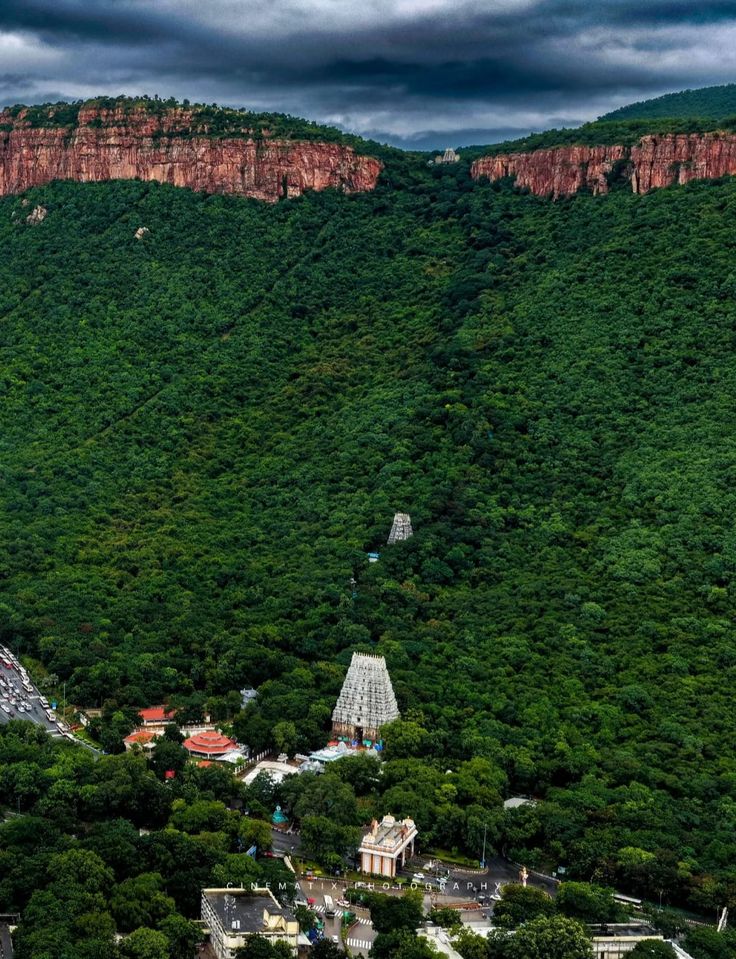
The temple is located on the seventh peak of the Seshachalam Hills, symbolizing the seven heads of Adisesha, the serpent on whom Lord Vishnu rests.
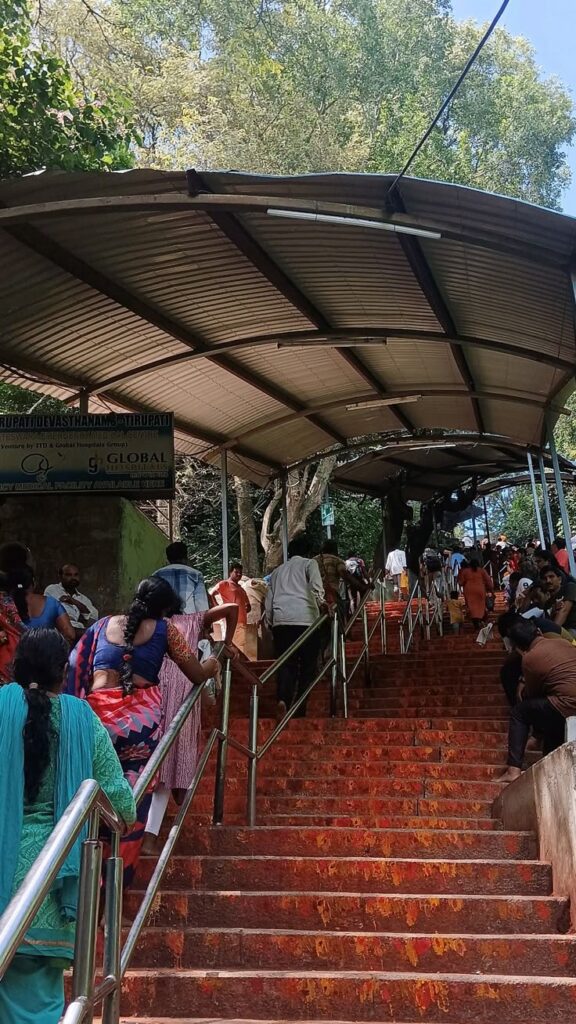
Pilgrims can reach Tirumala either by road or by climbing the sacred footpaths. Two main walking routes—Alipiri and Srivari Mettu—are used by devotees who choose to walk as an act of devotion. The climb, which can take 3 to 5 hours depending on pace, is filled with chants of “Govinda Govinda.”
Walking barefoot up thousands of steps is not about physical endurance—it’s about surrender. Each step becomes a prayer.
Architectural Grandeur and Dravidian Splendor
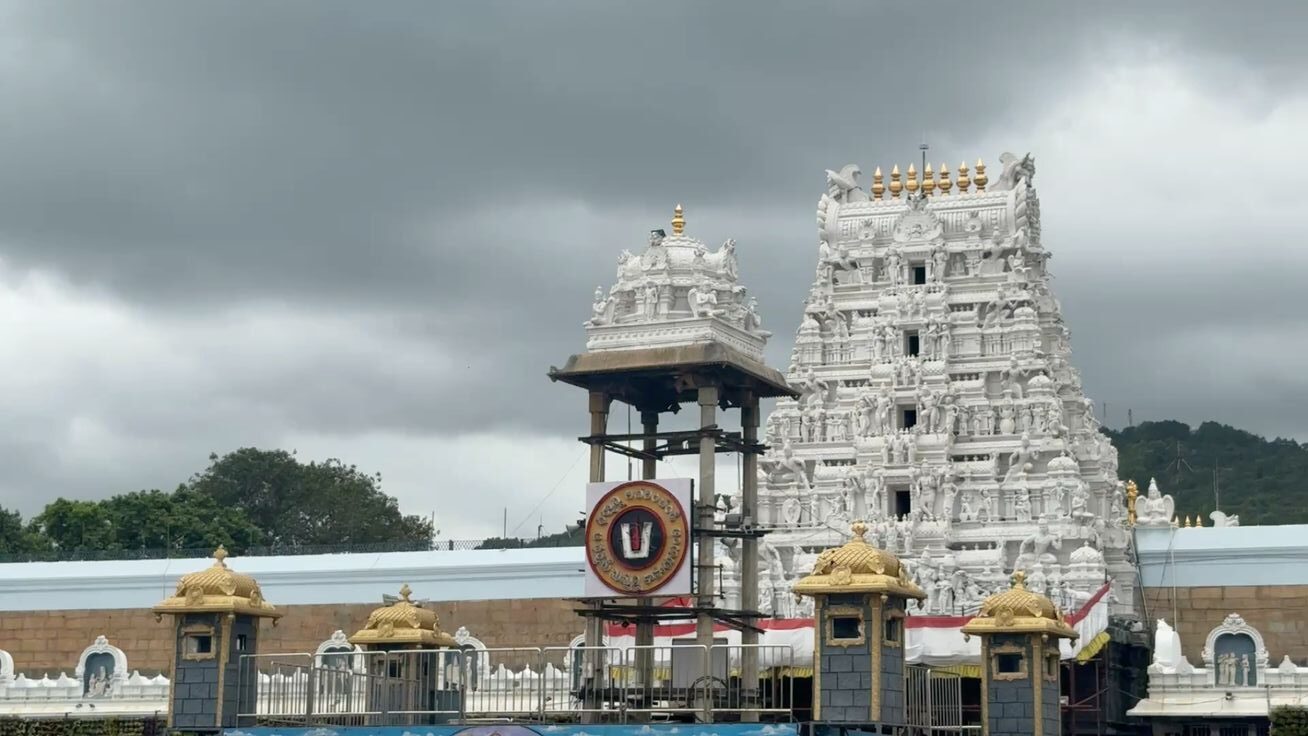
The Tirumala Venkateswara Temple is a magnificent example of Dravidian architecture. The towering gopuram (gateway tower) greets visitors with intricate carvings and gold-plated domes that shine under the South Indian sun.
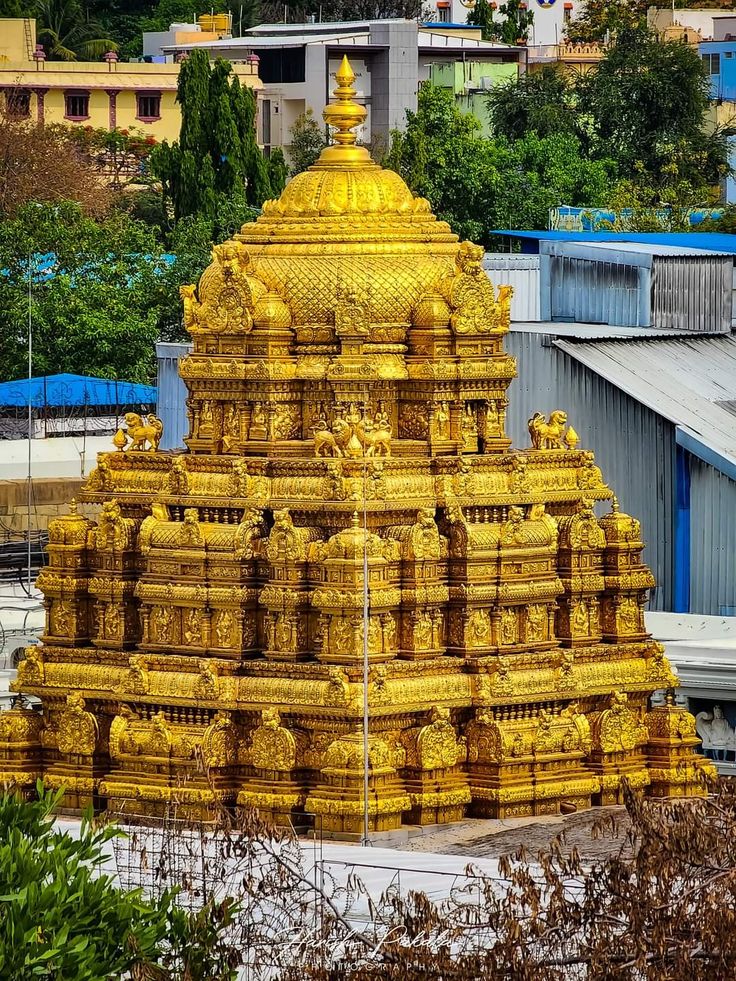
The most iconic structure is the Ananda Nilayam Vimanam—the golden dome above the sanctum sanctorum. Covered in gold, it symbolizes divine radiance.
Inside the sanctum stands the black stone idol of Lord Venkateswara, around 8 feet tall. The deity’s eyes are partially covered with camphor to soften the intensity of his gaze, believed to be too powerful for direct human sight.
The idol is adorned daily with gold ornaments, diamonds, flowers, and silk garments. The decoration alone can take hours. Yet what strikes most devotees is not the wealth—but the stillness.
The Darshan Experience: Faith Meets Patience
One of the defining aspects of Tirupati Balaji is the darshan process. With tens of thousands visiting daily—and numbers surging during festivals—the waiting time can range from a few hours to over 24 hours.
The temple administration, managed by Tirumala Tirupati Devasthanams (TTD), has developed an organized system including free darshan, special entry darshan, and various sevas (ritual services).
Despite the long wait, when devotees finally stand before Lord Balaji—even if only for a few seconds—many break into tears. Months of stress, years of prayer, and silent burdens dissolve in that brief moment.
And then you are gently moved ahead to allow the next wave of faith.
Rituals and Daily Sevas
The temple follows strict Vaishnavite rituals based on ancient Agama Shastras. The day begins before dawn with Suprabhatam—a sacred hymn sung to awaken the Lord.
Several sevas are performed throughout the day:
- Thomala Seva (flower decoration ritual)
- Archana (chanting of divine names)
- Kalyanotsavam (symbolic celestial wedding ceremony)
- Sahasra Deepalankara Seva (lighting of a thousand lamps)
Each ritual has a deep symbolic meaning and centuries-old tradition. Devotees can book certain sevas in advance, though availability is limited due to overwhelming demand.
The Famous Tirupati Laddu
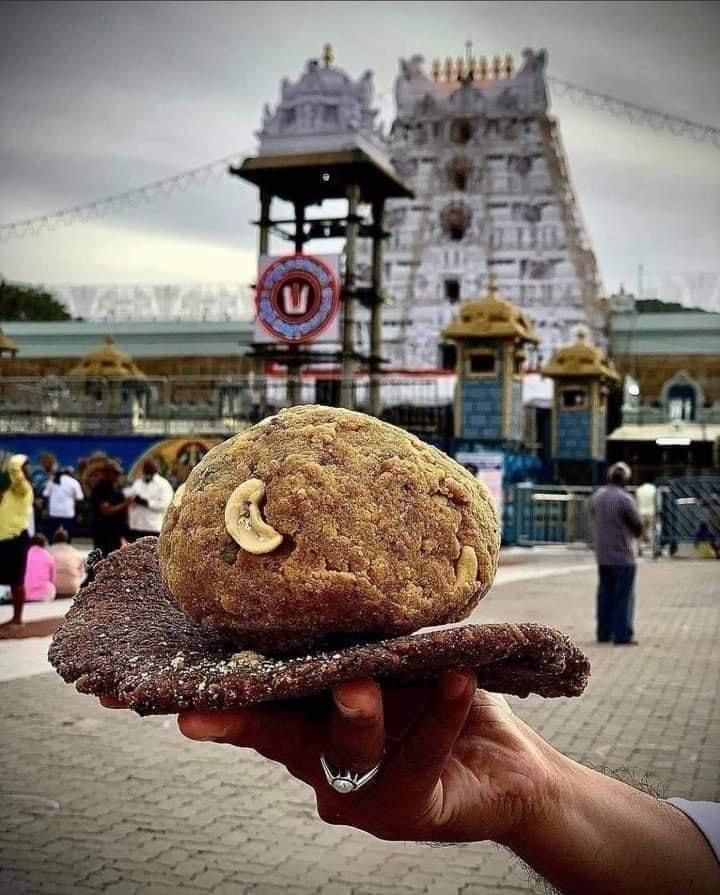
No visit to Tirupati Balaji is complete without receiving the sacred prasadam—the Tirupati Laddu.
Prepared within the temple premises in massive quantities, this laddu is unique in taste and significance. It even holds a Geographical Indication (GI) tag, protecting its authenticity.
The laddu is not just a sweet—it is considered divine blessing. Many devotees carry boxes home for family and neighbors, sharing both taste and faith.
Tonsuring: An Act of Surrender
One of the most striking practices at Tirupati Balaji is the ritual of head tonsuring. Devotees offer their hair to the Lord as a sign of humility and gratitude.
This act symbolizes surrendering ego and vanity. The collected hair is auctioned globally, generating significant revenue for temple activities and charitable works.
For many, shaving the head is a deeply emotional experience. It represents letting go—of pride, of past burdens, of negativity.
Festivals That Illuminate Tirupati
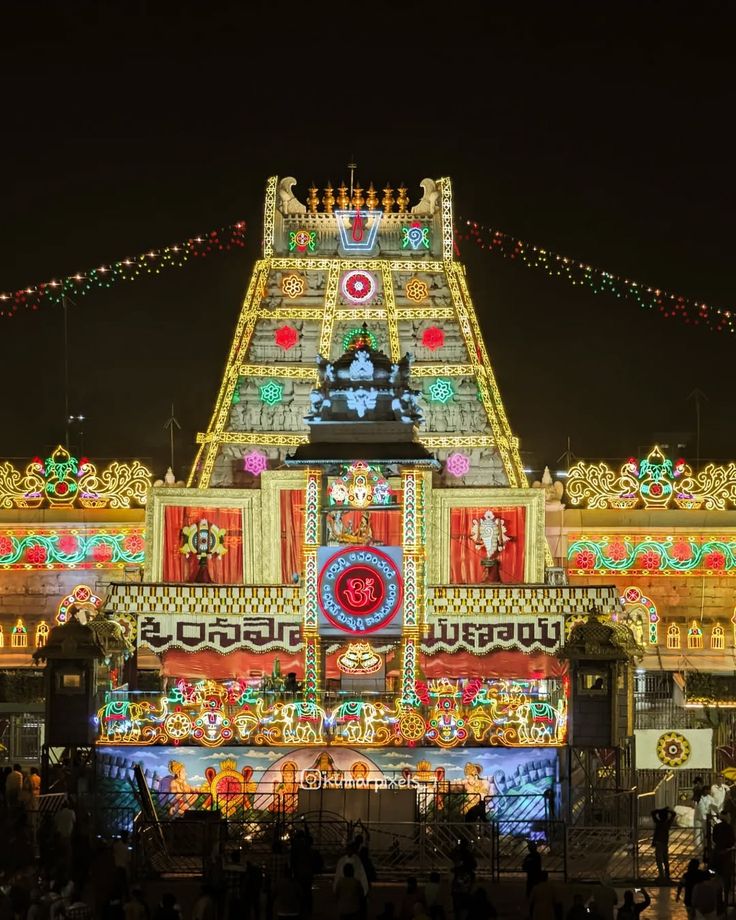
Though Tirupati is crowded year-round, festivals amplify its spiritual intensity.
The grandest celebration is Brahmotsavam, an annual nine-day festival where the deity is taken out in elaborate processions on different vahanas (vehicles). The streets glow with lamps, chants, and devotion.
Vaikuntha Ekadasi is another significant day when devotees believe that the gates of heaven open. The temple sees an extraordinary surge of pilgrims during this period.
The atmosphere during festivals is electric yet disciplined—devotion flows like a river.
The Economic and Social Impact
Tirupati Balaji is often described as one of the richest temples in the world. Donations come in the form of cash, gold, property, and even stocks.
But beyond wealth, the temple plays a massive social role. TTD runs:
- Educational institutions
- Hospitals
- Free meal programs (Anna Prasadam)
- Charitable trusts
Lakhs of pilgrims are served free meals daily. The temple’s ecosystem supports thousands of families in Tirupati town and surrounding areas.
Faith here is not just spiritual—it fuels an entire economy.
Restrictions and Discipline
Unlike many temples in India, Tirupati Balaji maintains strict discipline:
- Traditional attire is mandatory.
- Non-Hindus are required to sign a declaration of faith.
- Mobile phones and electronic devices are restricted inside.
These rules are meant to preserve sanctity. While some criticize the strict system, most devotees accept it as part of the spiritual discipline required for darshan.
The temple is not a tourist attraction—it is a sacred institution. And it demands reverence.
The Emotional Landscape of Tirupati
What truly defines Tirupati Balaji is not gold, architecture, or rituals. It is emotion.
You see parents carrying infants for their first darshan. Students praying before exams. Businessmen seeking prosperity. Families fulfilling vows made years ago.
Some come in desperation. Some in gratitude. Some simply because their parents did.
Faith here cuts across language, caste, and class. In the queue, everyone stands equal.
Best Time to Visit Tirupati Balaji
While the temple remains open year-round, October to March offers relatively pleasant weather.
Avoid peak festival dates if you prefer shorter waiting times. Booking darshan tickets well in advance through official TTD channels is strongly recommended.
Early morning darshan often feels calmer and spiritually intense.
How to Reach Tirupati
Tirupati town is well connected by rail, road, and air.
- The nearest airport is Tirupati International Airport.
- Regular trains connect from major cities like Chennai, Hyderabad, and Bangalore.
- Buses operate frequently from neighboring states.
From Tirupati town, buses and private vehicles take pilgrims up the hill to Tirumala.
Why Tirupati Balaji Stands Apart
India has countless temples. Many are ancient. Many are beautiful.
But Tirupati Balaji stands apart because of scale and sincerity. Few places manage to combine mythology, architecture, organization, wealth, and raw human devotion so seamlessly.
It is a temple that operates like a massive institution yet feels intensely personal during darshan.
The moment you stand before Lord Venkateswara, everything else fades. You are not thinking about gold or management systems. You are just thinking about your prayer.
Final Reflection: More Than a Pilgrimage
A visit to Tirupati Balaji is not about ticking off a destination. It is about experiencing surrender.
You may go there burdened. You may return lighter.
You may go there curious. You may return convinced.
Whether you believe in miracles or not, Tirupati has a way of shifting something inside you.
And perhaps that is the real wealth of Tirupati Balaji—not the gold in its vaults, but the faith in millions of hearts.
“Govinda Govinda” echoes long after you leave the hills.
And sometimes, that echo is enough.